Skip to content
FreshFoldRow
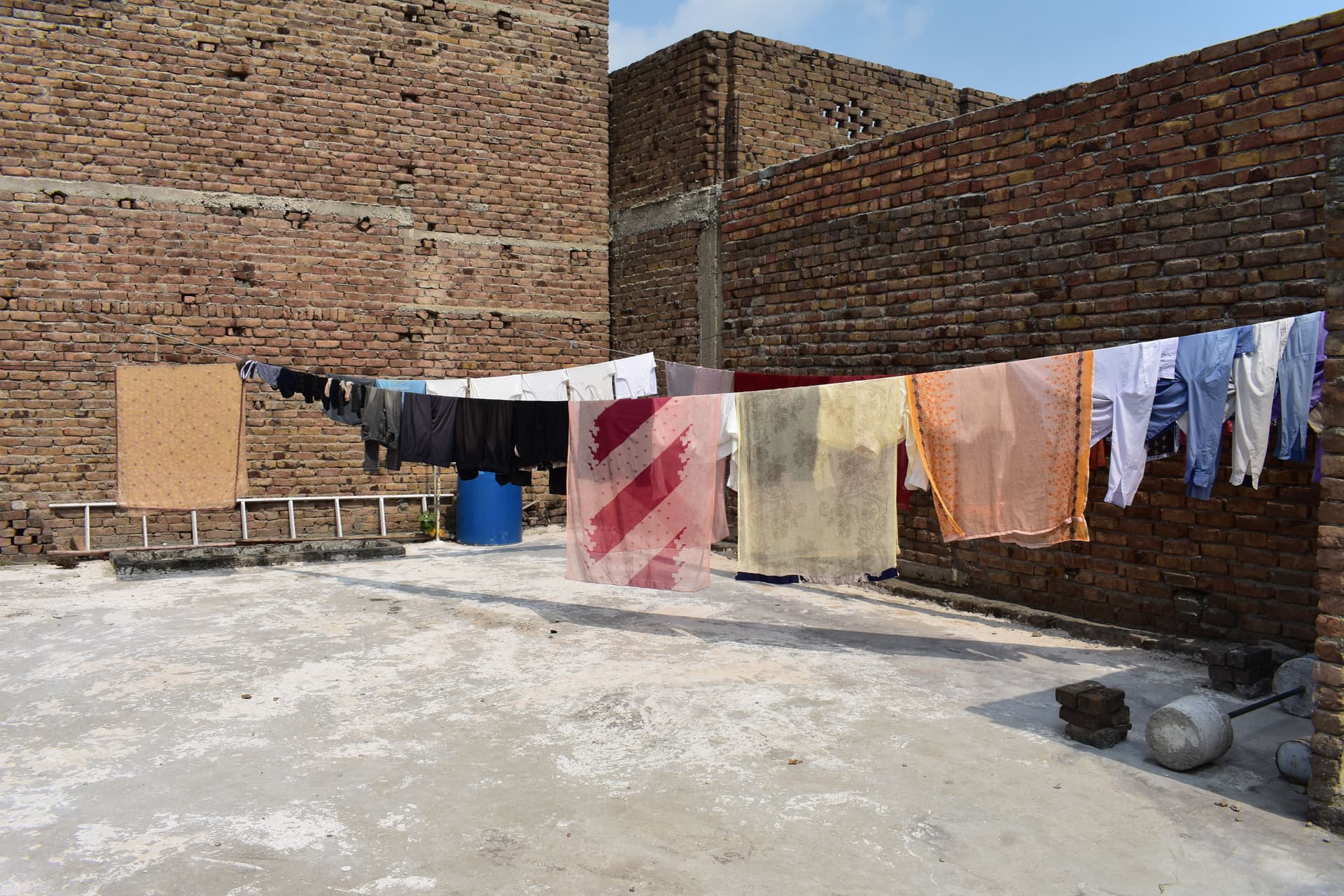
Laundry hanging out to dry on a line beside a brick wall under a bright sky.

Fibers

Air drying removes the heat problem and changes nothing about what went into the water.

Photo: Malik WaQaS on Pexels

Five families

Fibers

Product labels talk about jobs. Care labels talk about fabrics. These five pages are where the two meet, and each one ends with the block that matters most: what ends this fiber for good.

Fiber family

Cotton and Linen

Most laundry advice is written for these two and does not say so. That silence is why the other four pages exist.

Product classes described hereDetergent sheets · Oxygen bleach · Chlorine bleach · Enzyme boosters · Dye traps

Fiber family

Wool and Silk

These two are the reason the enzyme question exists at all. The fiber and the soil are made of the same kind of thing.

Product classes described hereEnzyme boosters · Oxygen bleach · Chlorine bleach · Detergent sheets · Fabric softener

Fiber family

Synthetics and Technical Fabrics

Everything that makes these fabrics good is a property of the surface, which is also the part every product touches first.

Product classes described hereFabric softener · Chlorine bleach · Detergent sheets · Stain sprays · Oxygen bleach

Fiber family

Elastane Blends

A blend is usually named after the fiber it mostly is, and governed by the fiber it barely is.

Product classes described hereChlorine bleach · Fabric softener · Oxygen bleach · Detergent sheets

Fiber family

Mixed Loads

The other four pages describe fibers. This one describes what most households actually put in the machine.

Product classes described hereDye traps · Enzyme boosters · Chlorine bleach · Detergent sheets · Fabric softener